
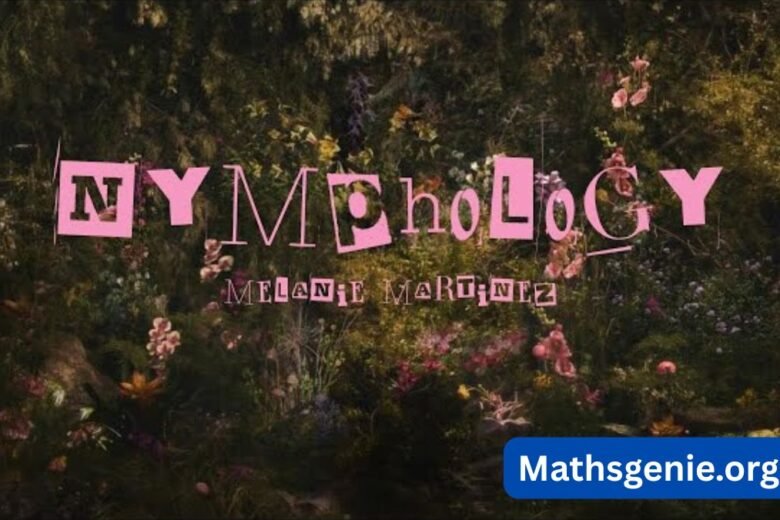
The term nymphology meaning has gained attention in recent years, especially after appearing in music, social media discussions, and online communities. Many people search for the phrase because they are curious about whether it refers to mythology, psychology, or something entirely different. The truth is that the word carries several layers of meaning depending on the context in which it is used.
Traditionally, the word combines “nymph,” a supernatural female spirit from Greek mythology, with the suffix “-ology,” which usually refers to the study of a subject. While there is no officially recognized academic field called nymphology, the term has evolved into a symbolic expression used in literature, art, and modern culture.
Understanding the nymphology meaning requires exploring mythology, history, symbolism, and contemporary interpretations. This guide explains everything in simple language while providing enough depth to satisfy curious readers.
What Does Nymphology Meaning Actually Mean?
At its simplest, the nymphology meaning can be understood as the concept or symbolic “study” of nymphs. Since no formal science or academic discipline exists under this name, the term is usually interpreted creatively rather than literally.
The word itself combines two parts. “Nymph” comes from ancient Greek mythology, while “-ology” is derived from Greek words meaning “the study of.” Together, they create a word that suggests exploring the characteristics, symbolism, or stories connected with nymphs.
Today, the phrase often represents themes such as femininity, freedom, beauty, transformation, mystery, and connection with nature. Depending on where you encounter the term, it may have artistic, literary, or metaphorical significance instead of referring to an actual field of study.
The Origin of the Word Nymph
To understand the nymphology meaning, it helps to know where the word “nymph” comes from. In ancient Greece, nymphs were believed to be divine female spirits associated with the natural world. They were neither ordinary humans nor powerful gods but existed somewhere in between.
Greek mythology described nymphs as guardians of rivers, forests, mountains, caves, trees, and oceans. Each type of nymph had responsibilities connected to a particular part of nature. They were often portrayed as youthful, beautiful, and immortal for long periods, although not necessarily forever.
Unlike many mythical creatures, nymphs were generally seen as gentle beings who represented the beauty and vitality of the natural environment. Their stories inspired artists, poets, and philosophers for thousands of years.
Different Types of Nymphs in Greek Mythology
Greek mythology includes several categories of nymphs, each connected to different natural elements. Learning about these groups adds depth to the nymphology meaning.
Dryads were tree nymphs who protected forests and often shared their life force with specific trees. If the tree died, the Dryad could suffer the same fate.
Naiads lived in freshwater environments such as rivers, lakes, and springs. Ancient Greeks believed these spirits watched over important water sources that sustained life.
Oceanids and Nereids belonged to the sea. While Oceanids were linked to vast oceans, Nereids were associated with the Mediterranean Sea and often appeared in myths involving sailors and sea gods.
Oreads inhabited mountains and rocky landscapes, while Lampads were connected with the Underworld. Every type of nymph represented a different aspect of nature, showing how closely ancient civilizations connected spirituality with the environment.
Is Nymphology a Real Academic Subject?
One of the biggest misconceptions about the nymphology meaning is that it refers to an official area of study. In reality, universities do not offer degrees in nymphology, nor is it recognized as an academic discipline.
Instead, the word functions more like a creative or symbolic expression. Authors, musicians, artists, and online communities sometimes use it to describe the exploration of mythical feminine energy, beauty, and transformation.
Scholars studying mythology, classical literature, folklore, or ancient history may examine nymphs extensively, but they usually do so under subjects like Classics, Greek Mythology, Religious Studies, or Literature rather than under “nymphology.”
This distinction is important because many internet users mistakenly assume the term represents an established scientific field.
Symbolism Behind Nymphology Meaning
The symbolic aspect of the nymphology meaning is one reason the term remains fascinating today. Nymphs represent much more than beautiful mythical figures.
They symbolize harmony between humans and nature. Their presence in forests, rivers, and mountains reflects the ancient belief that every part of the natural world possesses its own spirit.
Nymphs also symbolize youth, creativity, emotional freedom, and personal transformation. In literature, they often appear during moments of change, growth, or discovery.
Modern readers frequently interpret nymphs as symbols of individuality and self-expression. Rather than focusing only on physical beauty, contemporary interpretations emphasize independence, imagination, and emotional authenticity.
Nymphology Meaning in Literature
Writers have borrowed imagery from Greek mythology for centuries, making the nymphology meaning relevant far beyond ancient texts.
During the Renaissance, poets frequently used nymphs as symbols of beauty and idealized nature. Romantic-era authors later expanded these themes by connecting nymphs with imagination and emotional depth.
Modern fantasy novels continue this tradition. Characters inspired by nymphs often possess magical abilities, strong ties to nature, and mysterious personalities that blend elegance with wisdom.
Literary critics sometimes use the idea of nymphs to analyze how authors portray femininity, environmental themes, and the relationship between civilization and the natural world.
Nymphology Meaning in Modern Pop Culture
In recent years, the nymphology meaning has become more visible because of social media, online discussions, and music. Many younger audiences first encounter the word through entertainment rather than mythology textbooks.
Artists occasionally use the term metaphorically to express emotional complexity, empowerment, transformation, or rejecting societal expectations. This creative usage often sparks curiosity among listeners unfamiliar with Greek mythology.
Social media platforms have further expanded the word’s popularity. Users frequently discuss aesthetic themes inspired by forests, flowers, fantasy worlds, and mythical femininity while referencing nymphology.
As a result, the meaning continues evolving, showing how ancient myths can remain relevant in today’s digital culture.
Common Misunderstandings About Nymphology Meaning
Many misconceptions surround the nymphology meaning, largely because of its unusual name.
Some people mistakenly believe it refers to psychology or human behavior. Others confuse it with unrelated medical or psychological terms simply because the words sound similar.
Another misunderstanding is assuming that nymphs were always seductive or dangerous. While certain myths include romance, most ancient stories portrayed nymphs primarily as protectors of natural environments.
Finally, some believe nymphology is a hidden or mystical practice. In reality, the word is mostly symbolic and artistic rather than describing an organized belief system.
Why Has Nymphology Meaning Become Popular Online?
Internet culture has played a significant role in spreading the nymphology meaning across the world.
Search trends often increase after songs, videos, or viral social media posts introduce uncommon words to new audiences. Once people hear the term, they naturally search for its definition.
Visual platforms also contribute to the trend. Fantasy-inspired fashion, cottagecore aesthetics, forest photography, and mythical artwork frequently include references to nymph-like imagery.
The popularity of mythology-based entertainment, including novels, games, films, and television series, has also encouraged audiences to learn more about mythological concepts such as nymphology.
The Difference Between Nymphology and Mythology
Although the nymphology meaning is closely connected to mythology, the two are not identical.
Mythology is the broad study of myths, legends, gods, heroes, and supernatural beings across many cultures. It includes thousands of stories from civilizations around the world.
Nymphology, on the other hand, focuses specifically on the concept of nymphs, usually in symbolic, artistic, or literary contexts. Rather than covering every mythological figure, it concentrates on one particular category of mythical beings.
You can think of mythology as a large library, while nymphology represents one shelf within that library dedicated to stories and symbolism related to nymphs.
How Artists Interpret Nymphology Meaning

Artists have interpreted the nymphology meaning in countless ways over the centuries.
Classical painters often depicted graceful women surrounded by forests, rivers, flowers, and waterfalls to represent harmony with nature.
Modern digital artists frequently reinvent nymphs using fantasy-inspired clothing, glowing landscapes, magical creatures, and dreamlike environments. These artworks often emphasize freedom and individuality.
Musicians and filmmakers also borrow nymph symbolism to represent mystery, emotional growth, inner beauty, or escaping societal expectations. Because symbolism evolves over time, each creator adds a unique interpretation while still drawing inspiration from ancient mythology.
Why People Continue Searching for Nymphology Meaning
Interest in the nymphology meaning continues growing because it combines history, mythology, symbolism, and modern creativity in one fascinating concept.
Ancient myths remain relevant because they explore universal human experiences such as identity, beauty, curiosity, love, and transformation. Nymphs provide a gentle, nature-centered perspective that still resonates today.
At the same time, modern culture continually reinvents mythological ideas through music, literature, fashion, and online communities. This constant reinterpretation introduces familiar legends to entirely new generations.
Whether someone discovers the word through a song, a novel, an artwork, or a social media trend, learning its background provides a richer understanding of both mythology and contemporary culture.
Final Thoughts on Nymphology Meaning
The nymphology meaning goes far beyond a simple dictionary definition. Although it is not an official academic discipline, the term symbolizes the exploration of nymphs, their mythology, artistic significance, and cultural influence.
Rooted in ancient Greek mythology, nymphs represent beauty, nature, creativity, freedom, and transformation. Over centuries, these mythical beings have inspired poets, painters, musicians, and storytellers who continue adapting their symbolism for modern audiences.
Today, the phrase serves as a bridge between ancient traditions and contemporary creativity. Whether encountered through literature, music, visual art, or online discussions, understanding the nymphology meaning helps reveal why these timeless myths continue capturing human imagination across generations.
FAQs
What is the nymphology meaning?
It generally refers to the symbolic study or exploration of nymphs from Greek mythology.
Is nymphology a real academic subject?
No, it is not recognized as an official academic discipline.
Who were nymphs in Greek mythology?
Nymphs were nature spirits connected with forests, rivers, mountains, trees, and seas.
Why is nymphology trending online?
Its popularity has grown through music, social media, and renewed interest in mythology.
Does nymphology have a scientific meaning?
No, the term is mainly used in artistic, literary, and symbolic contexts.
What do nymphs symbolize?
They commonly symbolize nature, beauty, freedom, creativity, youth, and transformation.
Is nymphology related to mythology?
Yes, it is closely connected because nymphs originate from Greek mythology.
Can nymphology have different meanings today?
Yes, modern culture often uses it metaphorically to represent empowerment, imagination, and individuality.
Also read: Walking Treadmill: Benefits, Features, Buying Guide, and Tips for Better Daily Fitness